Science and Technology

Science and Technology

Updated July 25, 2026

Most Frequently Accessed Databases

The scientific databases listed below are the most frequently accessed by students and faculty in science and technology. Accessible online after logging in with your UM credentials, they include journal articles, scientific literature, technical data, and reference works.

Your Teachers' Bibliography

Check out the reading lists recommended by your science and technology teachers. They’ll guide you directly to the essential books and resources for each subject.

New Developments in Science and Technology

The latest acquisitions in library science and technology at UM: textbooks, specialized works, and journals recently added to the collections. Be sure to check this section regularly to stay up to date.

Books available at these libraries

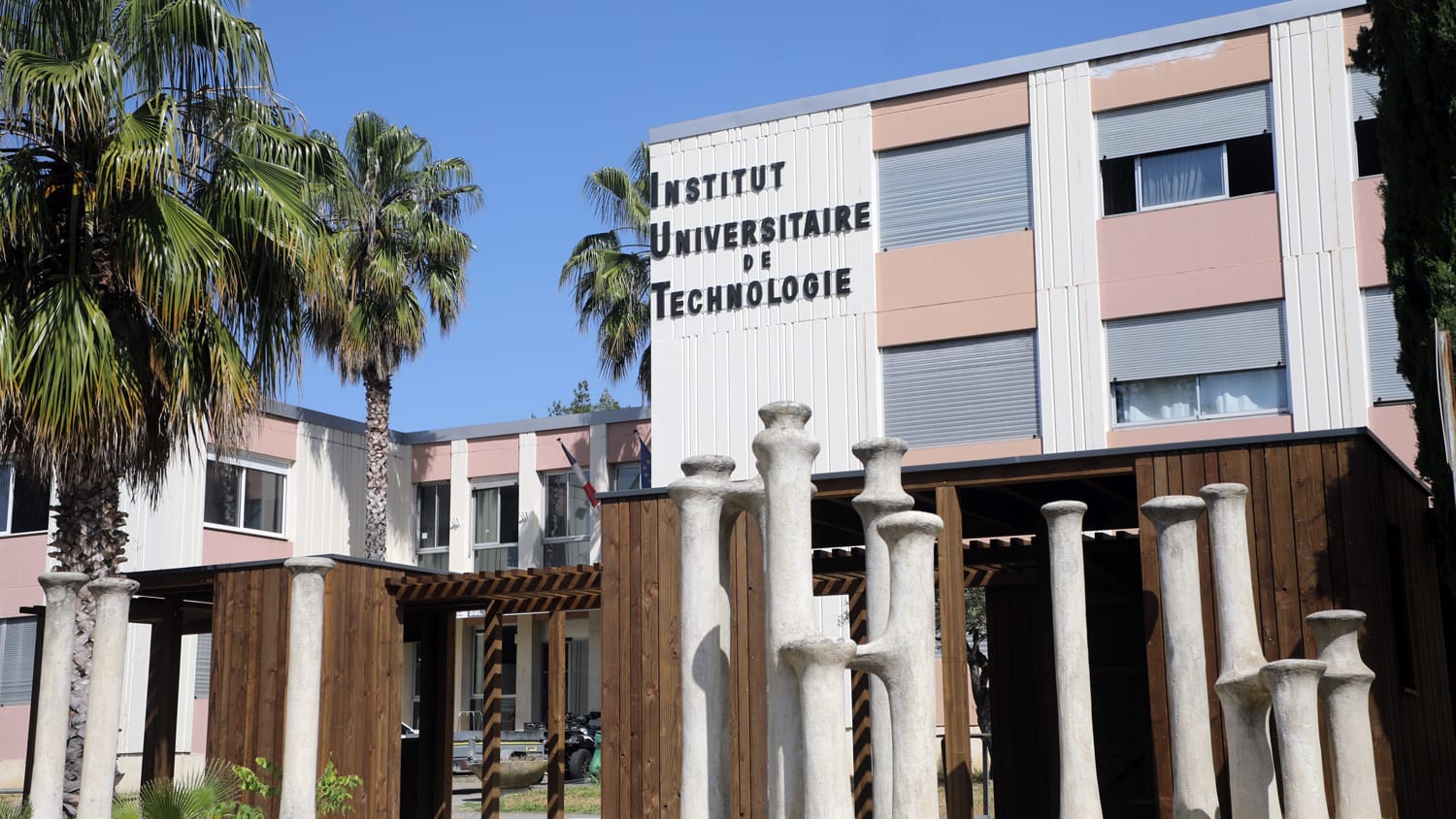
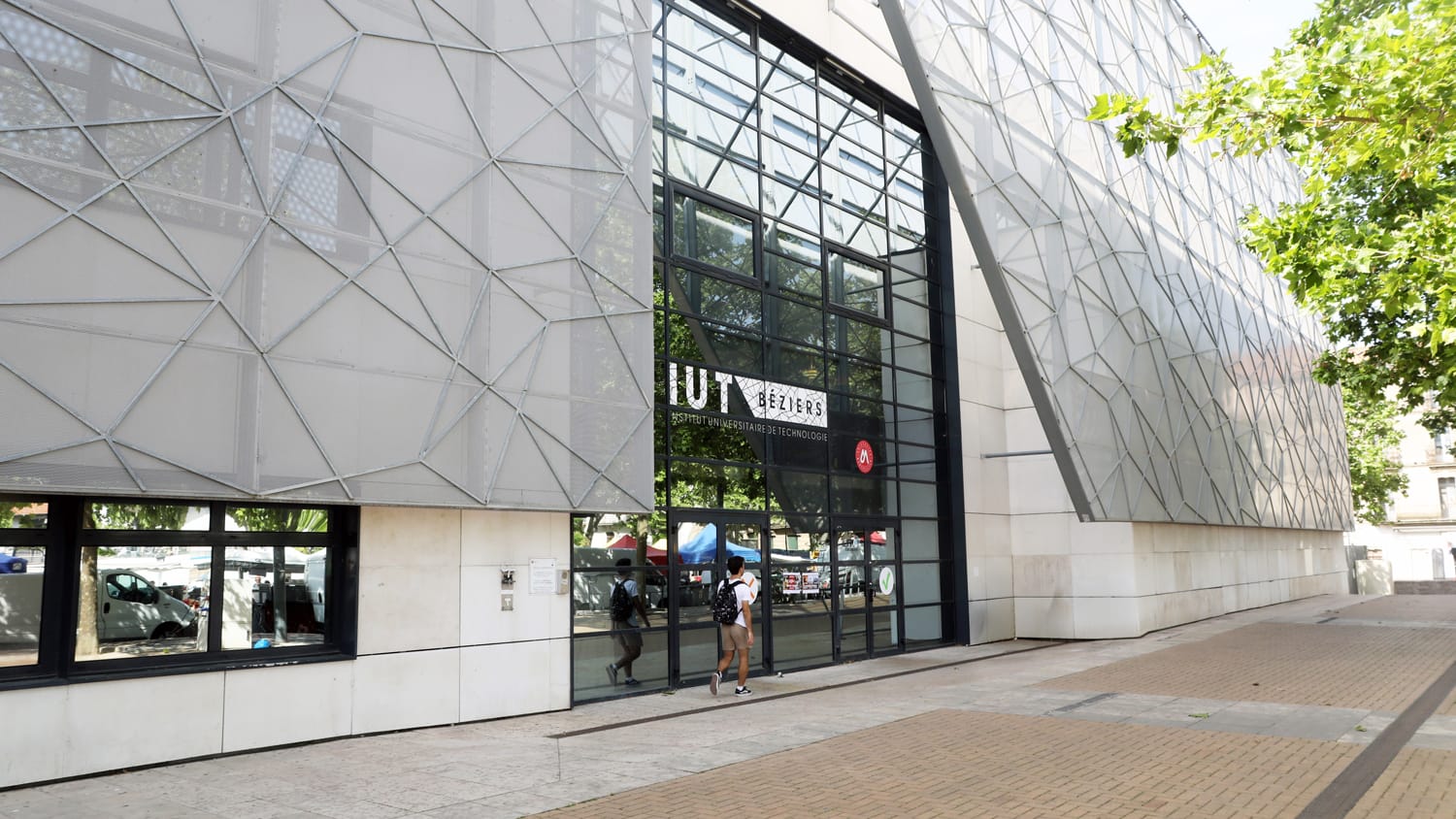
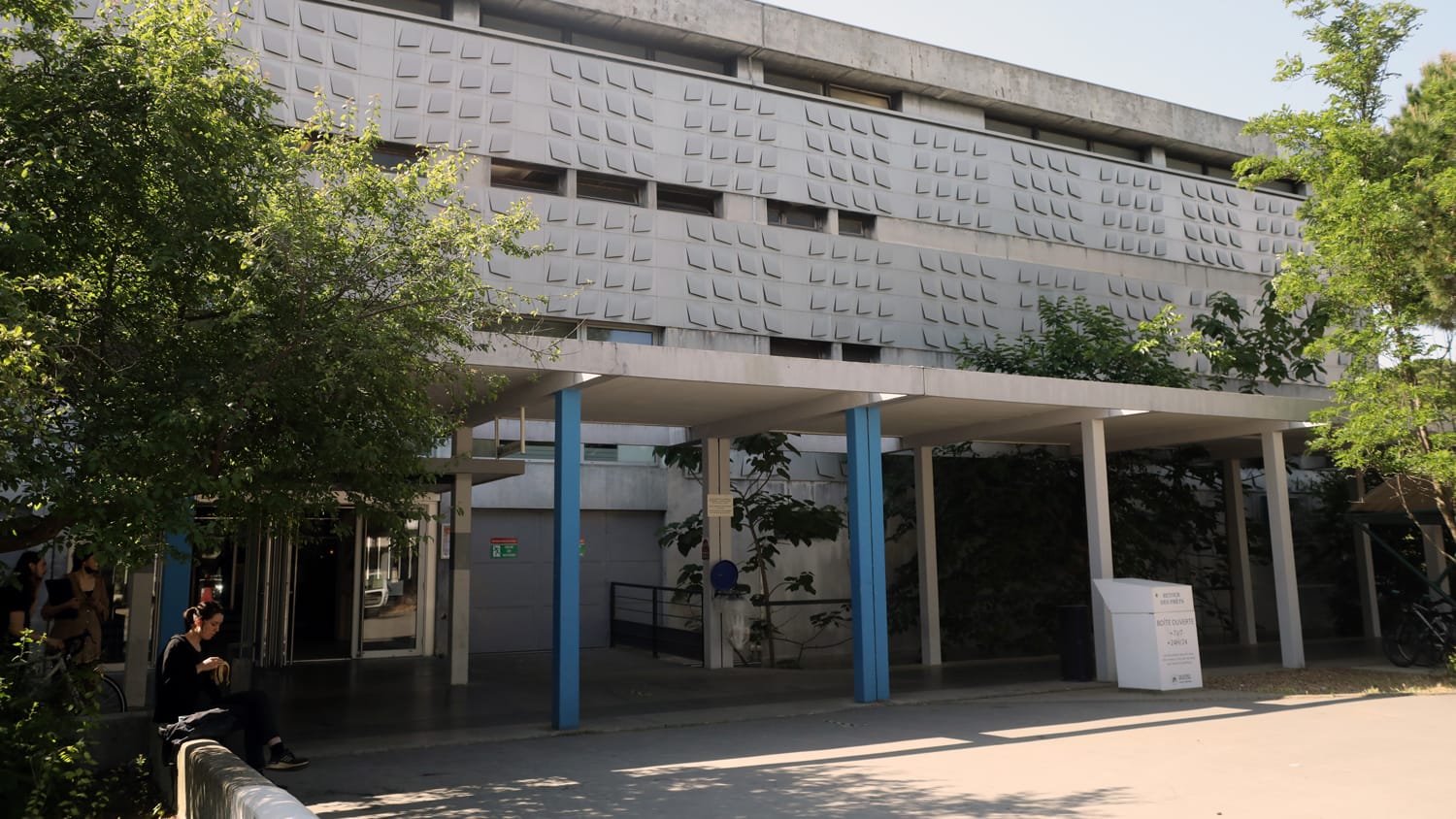
The science and technology collections are available at the Science Library. The IUTs in Nîmes, Sète, Béziers, and Montpellier also offer resources tailored to their programs. Check the hours and services of each library to plan your visit.
Frequently Asked Questions

The University of Montpellier libraries provide access to several scientific reference databases: Cyberlibris (Science collection), ScienceDirect, Web of Science, Techniques de l’ingénieur, and SciFinder. These are in addition to multidisciplinary and news databases. Access is available online after logging in with your UM credentials.

All databases are available online, both on campus and remotely. From the library catalog, select the database you want, then log in with your University of Montpellier credentials to access the resource.

A literature search consists of four main steps: defining and narrowing the topic, identifying relevant sources and databases, searching for and selecting documents, and finally evaluating and citing sources. To help you, the university libraries offer training sessions on literature research and Zotero.

Sources are categorized as primary (research articles, patents, experimental data), secondary (review articles, textbooks, works that analyze primary sources), and tertiary (encyclopedias, bibliographies, databases that compile information). The ScienceDirect, Web of Science, and SciFinder databases cover these different levels.

The "New in Science" section on this page highlights the latest books acquired by the libraries. To keep up with recent research and monitor developments, ScienceDirect and Web of Science provide access to the most current journal articles, following UM authentication.

Contact your library specialist

Contact UsContact Us
Submit a bibliography

This service is intended solely for teachers.
Submit a bibliographySubmit a bibliography